
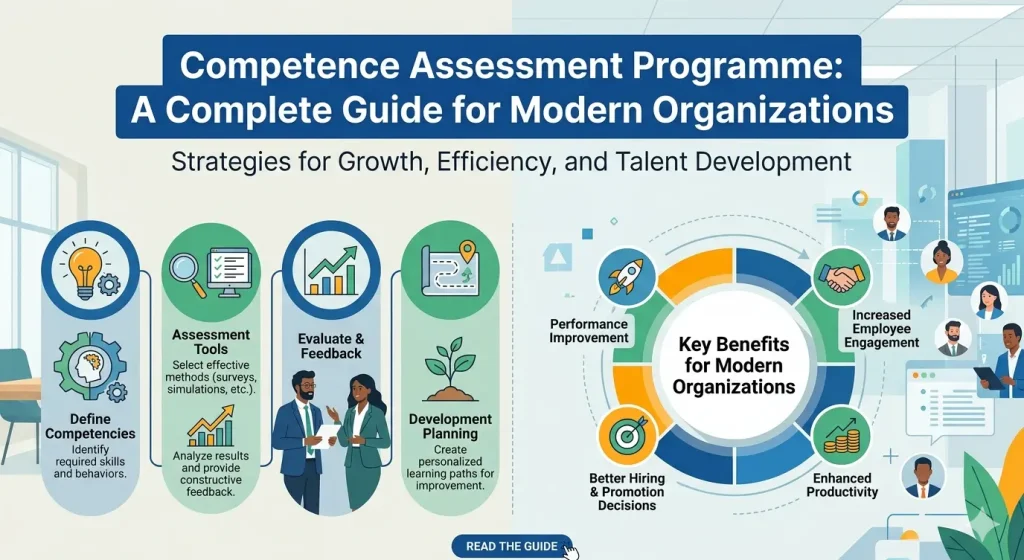
Every great business needs a strong team. But how do you know if your team has the right skills for the job? Guessing is not enough. You need a clear and fair way to measure what your workers can actually do. This is where a competence assessment programme comes in.
This guide will show you exactly how to build and use one. We will explore what these programmes are, why they matter, and how to set them up. Whether you run a small shop or a huge company, these steps will help you unlock your team’s full potential.
Introduction
Businesses change fast. New tools and trends pop up every single day. To keep up, your workers must learn and grow. A competence assessment programme helps you track this growth. It acts like a map. It shows you where your workers shine and where they need a little more help.
By using this map, you can plan better training. You can hire smarter. Most importantly, you can help your people build better careers. Let us break down exactly how this works.
What is Competence?
Competence simply means having the right skills, knowledge, and attitude to do a specific job well. It is not just about what you know. It is about how you use what you know in real life. If you can fix a car engine, you have mechanical competence. If you can calm down an angry customer, you have customer service competence.
Types of Competence
Technical competence
This covers the hard skills needed for a job. A coder needs to know Python. A driver needs to know how to steer a truck. These are specific, measurable skills.
Behavioral competence
This covers soft skills. It includes how people act and talk to each other. Teamwork, clear talking, and solving problems fit into this group.
Leadership competence
This covers the ability to guide others. Managers need to know how to inspire a team. They must make hard choices and plan for the future.
What is a Competence Assessment Programme?
A Competence Assessment Programme is a structured way for organizations to assess employees’ skills and abilities. It helps find out what employees do well and where they need improvement.
It is not just about judging performance. It is about understanding strengths, identifying gaps, and helping employees grow. Organizations can then use this information to train staff, plan career paths, and make better decisions for the team and business.
Core Concept
A competence assessment programme is a formal system. HR teams and managers use it to measure a worker’s skills against the needs of their job. It removes the guesswork from checking performance. Instead of saying, “John does a good job,” you can say, “John meets the level four standard for data typing.”
Key Objectives
Why do companies spend time building these systems? They want to hit three big goals.
Skill evaluation
The main goal is to find out what people can do right now. It gives you a clear picture of your current talent.
Performance improvement
When you know where someone struggles, you can help them. The programme shows you exactly what skills need a boost.
Talent development
Good companies want their people to grow. This system helps you build clear paths for promotions and new roles.
Importance of Competence Assessment Programme
A Competence Assessment Programme is important because it benefits the whole organization, employees, managers, and HR alike. It helps people grow, improves work quality, and ensures the organization succeeds.
For Organizations
- Ensures employees have the right skills for their jobs.
- Improves overall productivity and efficiency.
- Helps plan training and development programs effectively.
For Employees
- Shows their strengths and areas to improve.
- Supports career growth and learning opportunities.
- Boosts confidence and motivation.
For HR Departments
- Identifies skill gaps for better workforce planning.
- Helps make recruitment and promotions fairer.
- Provides data to design effective training programs.
Key Components of a Competence Assessment Programme
A strong system needs a few basic building blocks to work right.
Competency Framework
This is the rulebook. It lists every skill needed for every job in the company. It also defines what “good” looks like for each skill.
Assessment Tools
You need ways to test the skills. This might mean written tests, practice tasks, or interview questions.
Performance Metrics
You must have a way to score the results. Numbers or grades help keep things fair and clear for everyone.
Feedback System
You must talk to your workers about their results. A good system includes regular chats between workers and their bosses.
5 Types of Competence Assessment Methods
You cannot use one test for every skill. You need different ways to measure different things.
Self-Assessment
Workers grade themselves. They look at the framework and honestly say where they stand. This builds trust and makes them think about their own work.
Manager Assessment
The boss grades the worker. Managers watch their team every day, so they know how people handle real tasks.
360-Degree Feedback
You ask everyone for input. Peers, managers, and even clients share their thoughts. This gives a very round, complete picture of a worker.
Skill Tests and Exams
Sometimes you just need a standard test. If you want to know if someone can use Excel, give them an Excel test.
On-the-Job Evaluation
You watch the worker do their actual job. This is great for physical tasks or customer service roles.
7 Steps to Design a Competence Assessment Programme
Building this system from scratch is easy if you take it step by step.
Step 1 : Identify Required Competencies
Look at every job. Write down the skills a person needs to do that job perfectly.
Step 2 : Define Assessment Criteria
Decide how you will grade those skills. Create clear levels, like beginner, intermediate, and expert.
Step 3 : Select Tools and Methods
Pick the right tests. Use a mix of quizzes, manager reviews, and self-grades.
Step 4 : Train Assessors
Teach your managers how to grade fairly. They must understand the rules so they do not play favorites.
Step 5 : Implement the Programme
Roll it out slowly. Start with one department. Fix any bugs before giving it to the whole company.
Step 6 : Analyze Results
Look at the data. Do you have a whole team struggling with one skill? That means you need to buy a training course.
Step 7 : Continuous Improvement
Never stop fixing your system. Jobs change, so your skill lists must change too. Update your rulebook every year.
Tools and Technologies Used
You do not have to do all this on paper. Many digital tools can help you.
HR Software
Modern HR programs can store all your skill lists and worker profiles in one safe place.
Learning Management Systems (LMS)
An LMS holds your training classes. You can link a low skill score directly to a video lesson.
AI-Based Assessment Tools
Smart software can read tests and grade them fast. It can also spot patterns that humans might miss.
Online Testing Platforms
Use websites to send out quizzes easily. Workers can take the tests on their phones during breaks. You do not have to do all this on paper. Many digital tools can help you.
HR Software
Modern HR programs can store all your skill lists and worker profiles in one safe place.
Learning Management Systems (LMS)
An LMS holds your training classes. You can link a low skill score directly to a video lesson.
AI-Based Assessment Tools
Smart software can read tests and grade them fast. It can also spot patterns that humans might miss.
Online Testing Platforms
Use websites to send out quizzes easily. Workers can take the tests on their phones during breaks.
5 Benefits of a Competence Assessment Programme
When you run a good system, the rewards show up fast.
- Improved Employee Performance :People work better when they know the rules. They focus on the skills that actually matter.
- Better Hiring Decisions: You can test people before you hire them. You will know if they truly have the skills they put on their resume.
- Skill Gap Identification: You spot weaknesses fast. If new software comes out, you can quickly see who needs training.
- Increased Productivity: Trained workers work faster. They make fewer mistakes, which saves the company money.
- Employee Growth and Retention: People stay at jobs where they can learn. When you invest in their skills, they stick around.
Challenges in Competence Assessment Programmes
Nothing is perfect. You will face a few bumps in the road.
Bias in Evaluation
Sometimes managers grade their friends higher. This ruins the whole system.
Lack of Clear Criteria
If your rules are fuzzy, the grades will mean nothing. “Good communication” is too vague.
Resistance from Employees
People hate tests. They might feel scared or think the company wants to fire them.
Time and Cost Issues
Building tests and doing reviews takes time away from normal work. It can also cost money to buy software.
How to Overcome These Challenges
You can beat these problems with a little strategic planning.
Use Standardized Frameworks
Make the rules incredibly clear. Leave no room for guessing.
Provide Proper Training
Teach managers how to spot their own bias. Teach them how to give fair grades based only on facts.
Use Technology
Let software handle the boring paperwork. This saves huge amounts of time and money.
Ensure Transparency
Tell workers exactly why you are testing them. Promise them the goal is to help them grow, not punish them.
Competence Assessment vs Performance Appraisal
People often confuse these two things, but they are very different.
Key Differences
Performance appraisal looks at the past. It asks, “Did you hit your sales goal last month?” Competence assessment looks at the present and future. It asks, “Do you have the skills to hit your goals tomorrow?”
When to Use Each
Use performance appraisals to give bonuses or raises at the end of the year. Use competence assessments to plan training and build career paths.
Role of Competence Assessment in Employee Development
This system is the best friend of any HR trainer.
Training and Upskilling
You stop guessing what classes to buy. The data tells you exactly what skills your team lacks.
Career Growth Planning
You can show a junior worker exactly what skills they need to become a senior worker.
Leadership Development
You can spot future bosses early. If someone scores high in teamwork and planning, start training them to lead.
Industry Applications
Every field can use this system differently.
Corporate Sector
Big offices use it to track computer skills, project management, and sales tactics.
Healthcare
Hospitals use it to make sure nurses and doctors know the latest safety rules and treatments.
Education
Schools use it to check if teachers know the newest ways to help children learn.
IT Industry
Tech companies use it to track which coding languages their teams know, as tech changes rapidly.
Best Practices for an Effective Programme
Follow these simple rules to get the best results.
Align with Business Goals
If your company wants to sell more software, make sure you test sales skills.
Keep It Continuous
Do not just test people once a year. Make it a normal part of daily work life.
Use Data-Driven Insights
Let the numbers guide you. Do not make training choices based on gut feelings.
Encourage Feedback
Ask your workers if they like the tests. If the tests feel unfair, change them.
Future Trends
The way we test skills keeps changing. Here is what is coming next.
AI and Automation
Computers will soon build tests for us. They will match questions perfectly to each worker’s job.
Remote Assessments
Since more people work from home, tests will happen online. Video tools will help watch people perform tasks remotely.
Personalized Learning Paths
Software will instantly build a custom training class the moment a worker fails a skill check.
Conclusion
Building a competence assessment programme takes a bit of effort. But it is one of the smartest things a company can do. We covered a lot of ground today. We looked at what competence means, how to measure it, and why it changes everything for your business.
When you know your team’s true skills, you can fix weak spots fast. You can also celebrate the things they do well. Start small. Pick one department, map out their skills, and run a simple test. You will quickly see how much easier it is to guide your team to long-term success.